Case Study: Science Museum of Virginia – Exterior Repairs
The Challenge
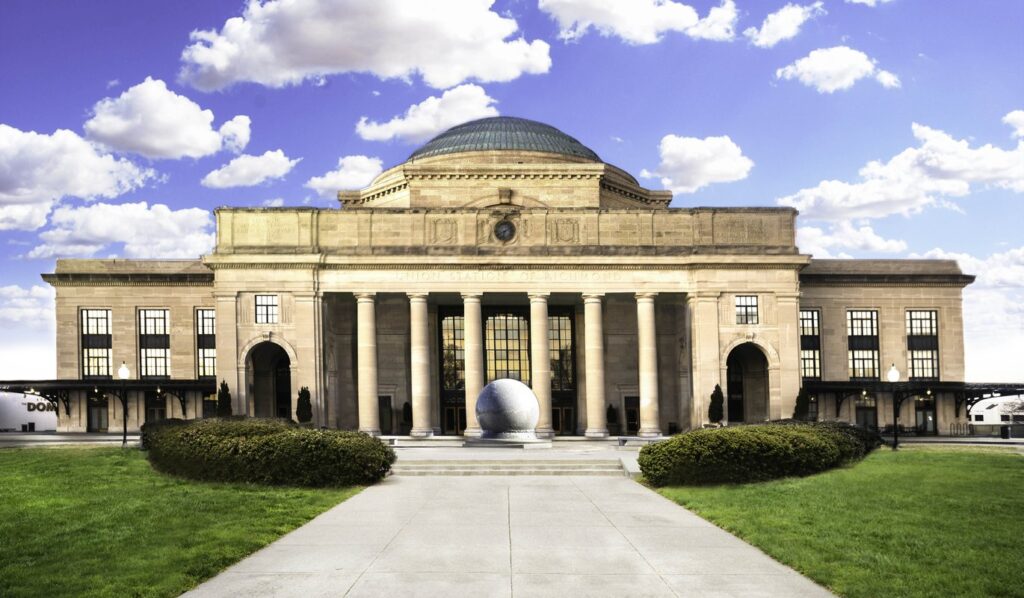
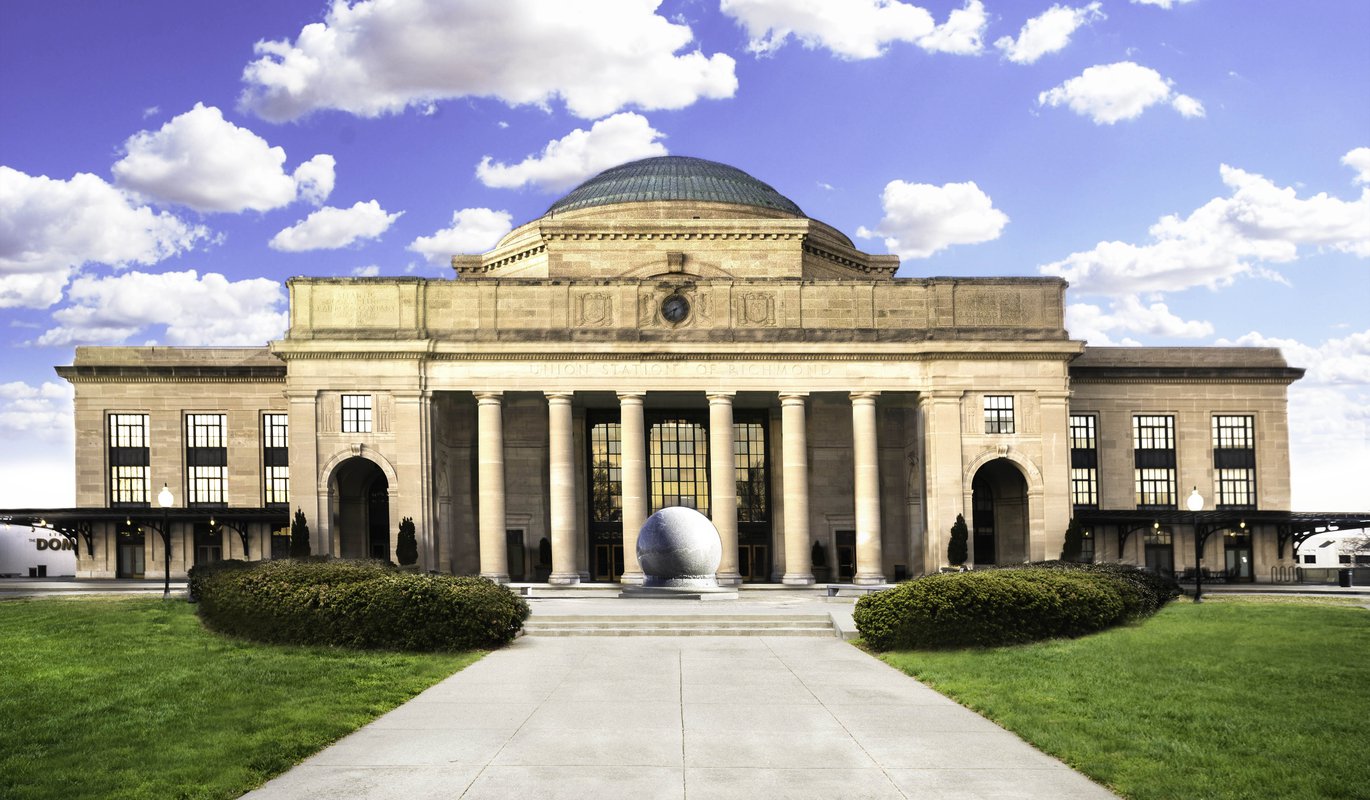
The Science Museum of Virginia, housed in a historic 1917 train station, faced significant deterioration of its exterior architectural elements. The building’s original steel windows, mechanical louvers, steel and glass canopy, and entry doors had aged without substantial refurbishment. These components exhibited corrosion, operational issues, and compromised weatherproofing, which threatened both the building’s structural integrity and its historical value. Additionally, the museum needed to maintain public access and safety during construction, comply with historic preservation standards, and coordinate with concurrent HVAC and control system upgrades.
The Solution
To address these challenges, the Commonwealth of Virginia initiated a comprehensive exterior repair project under Project Code 146-18531-002. The scope of work included:
- Historic Window Restoration: Original steel windows at the ground level were refurbished, including replacement of glazing with dual-pane units, repair of bent sashes, corrosion treatment, and restoration of original gearing systems.
- Canopy Repairs: Broken glazing, gaskets, and sealants on the steel and glass canopy were inspected and replaced, followed by repainting of the steel frame.
- Entry Door Renovation: Main entry and vestibule doors were replaced and reconfigured with new pairs equipped with automatic operators, ensuring ADA compliance while preserving the historic cast iron structure.
- Surface Treatments: All first-floor doors and frames were repainted, and windows and grilles above and below the first floor were resealed to match the restored elements.
- Environmental Safety: A limited asbestos and lead-based paint inspection was conducted, confirming the absence of asbestos and identifying lead in certain painted components, which prompted compliance with OSHA safety standards.
- Project Management: The project was governed by strict administrative protocols, including detailed submittal procedures, photographic documentation, and coordination with the Virginia Department of Historic Resources and the Art and Architectural Review Board (AARB).
The Results
Upon completion, the project delivered the following outcomes:
- Preservation of Historical Integrity: The restored windows, canopy, and doors maintained the building’s original architectural character while enhancing functionality and safety.
- Improved Energy Efficiency and Weatherproofing: Upgraded glazing and sealants improved thermal performance and reduced air and water infiltration.
- Enhanced Accessibility and Visitor Experience: New automatic doors and improved entryways provided a more welcoming and accessible environment for all visitors.
- Compliance and Safety: Adherence to prevailing wage laws, environmental safety standards, and historic preservation guidelines ensured legal compliance and public trust.
- Sustainable Construction Practices: Implementation of construction waste management and use of low-VOC materials supported the museum’s sustainability goals.